
 The Standard Group Plc is a multi-media organization with investments in media
platforms spanning newspaper print
operations, television, radio broadcasting, digital and online services. The
Standard Group is recognized as a
leading multi-media house in Kenya with a key influence in matters of national
and international interest.
The Standard Group Plc is a multi-media organization with investments in media
platforms spanning newspaper print
operations, television, radio broadcasting, digital and online services. The
Standard Group is recognized as a
leading multi-media house in Kenya with a key influence in matters of national
and international interest.


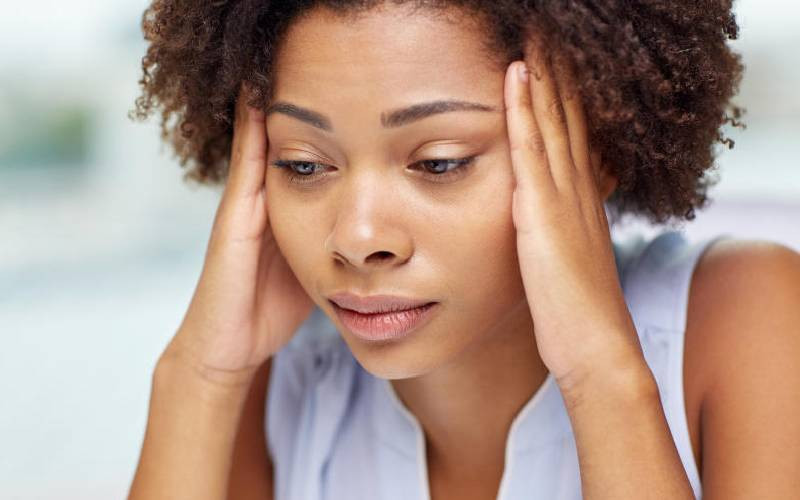
Small brave steps and regular movement can quiet anxiety and build lasting calm. [File Courtesy]
Anxiety is a common human experience, but it does not have to control your life. By adopting practical habits and reshaping how you respond to fear and stress, you can gradually build resilience, confidence and lasting emotional wellbeing.
Confront your fearsIt is natural to want to avoid situations that make you anxious, but, in the long term, this is only likely to fuel your anxiety. When you avoid anxiety-provoking situations, you not only risk missing out on opportunities in life, but you also never get to ‘reality-check’ your worst fears, for instance, going on a date without it being a disaster, or flying on a plane and discovering that it stays safely in the air.
Unconfronted fears can grow and fester, assuming an out-of-proportion aura of doom. In contrast, when you face your fears and discover that the worst does not happen, psychologists call this an ‘expectancy violation’. You burst the baleful balloon. By undermining your negative expectations in this way, you gradually teach your brain to become less anxious. The technical term for confronting fears and anxieties is ‘exposure’. It is a good idea to start gradually. Choose a situation or challenge that you find only mildly anxiety-provoking and give it a try, using your emergency toolkit before, during and after, as appropriate. If real-life exposure feels too daunting, you can even begin by practising in your imagination.
Exercise regularlyBuilding opportunities for physical exercise into your lifestyle is not only good for your body but also for your mind. Studies have shown that exercise can boost mood and help prevent depression. People who are more physically active also tend to experience long-term personality benefits, including better regulation of neurotic tendencies. Exercise offers these benefits for several reasons, including distraction, social connection and improvements in physical health, all of which help break the links between poor health and anxiety.
Another reason exercise, especially vigorous activity, helps combat anxiety is that it familiarises you with physical sensations often associated with anxiety, such as a racing heartbeat and breathlessness. If you regularly experience these sensations during a run or a boxercise class, they will feel far less alarming when you have to deliver a speech or attend a job interview.
Go easy on the caffeineWhether it is your morning espresso or an energy drink at the gym, caffeine may be such an integral part of your routine that you rarely consider its effects. In reality, caffeine is a psychostimulant, a drug that acts on the brain. Specifically, caffeine blocks adenosine, a brain chemical that normally helps calm the body by lowering blood pressure and slowing breathing.
- She fled trauma, now fights to save children living it
- One in four Kenyans likely to suffer mental health condition
- He vowed for better for worse, to love and hold. Cancer made it a battlefield
- Experts call for more funding to tackle mental health crisis
Keep Reading
While this action increases alertness and energy, it can worsen symptoms if you are prone to anxiety. A modest, but effective long-term lifestyle change is, therefore, to reduce caffeine intake, remembering that caffeine is also found in tea and chocolate. Indeed, excessive caffeine consumption can significantly contribute to anxiety problems. Psychiatry even recognises ‘caffeine-induced anxiety disorder’ as a subtype of substance- or medication-induced anxiety disorder.
Check your long-term relationship with anxietyIf you believe anxiety is a permanent and defining part of who you are, you may be more likely to withdraw quickly from situations that trigger discomfort or fear. In contrast, viewing anxiety as a temporary and universal human experience can help you tolerate discomfort and seek healthier, more constructive ways of coping.













 join
join