
 The Standard Group Plc is a multi-media organization with investments in media
platforms spanning newspaper print
operations, television, radio broadcasting, digital and online services. The
Standard Group is recognized as a
leading multi-media house in Kenya with a key influence in matters of national
and international interest.
The Standard Group Plc is a multi-media organization with investments in media
platforms spanning newspaper print
operations, television, radio broadcasting, digital and online services. The
Standard Group is recognized as a
leading multi-media house in Kenya with a key influence in matters of national
and international interest.


Kenya is confronting deep weaknesses in its public health system, where years of disease outbreaks, slow emergency response and fragmented coordination have left the country vulnerable to cholera, measles, looming Ebola threats and rising antimicrobial resistance.
These crises have revealed gaps in surveillance, preparedness and financing, underscoring the need to shift from reacting to emergencies to anticipating and stopping threats before they spiral out of control.
Zoonotic diseases, many originating from animals, along with food safety concerns, vulnerabilities at points of entry, and deliberate biological threats such as potential bioterrorism, further complicate the nation’s risk profile.
These long-standing challenges have driven a major policy shift, marked by the launch of the Kenya National Public Health Institute (KNPHI) Strategic Plan 2026–2030 and the National Action Plan for Health Security (NAPHS II) 2026–2030, designed to strengthen both universal health coverage and national preparedness on Friday.
The launch also marks the close of the UK-supported Tackling Deadly Diseases in Africa Programme (TDDAP2), implemented with technical leadership from Palladium International, which has helped strengthen surveillance, workforce training and data integration across human and animal health systems.
The new frameworks are designed to move the country from a reactive system to one that anticipates, detects and responds to health threats more effectively.
Dr Kamene Kimenye, acting Director General of KNPHI, said the country’s public health system had previously been undermined by fragmentation and duplication of roles across sectors.
“Public health functions were across various sectors with no centralised coordination authority, leading to duplication, waste and uncoordinated leadership,” she said.
- Health practitioners call for inclusivity in policy formulation
- How one father is leading Kenya's malaria fight
- Hospitals crisis drags on as Duale, Clinical Officers clash over pay deal
- Union supports crackdown on foreign medical practitioners
Keep Reading
Dr Kamene noted that this fragmentation slowed response to public health emergencies and reduced the overall impact of existing programmes. In one instance, she recalled how different divisions within the health sector developed similar plans independently, highlighting inefficiencies that the institute now seeks to eliminate.
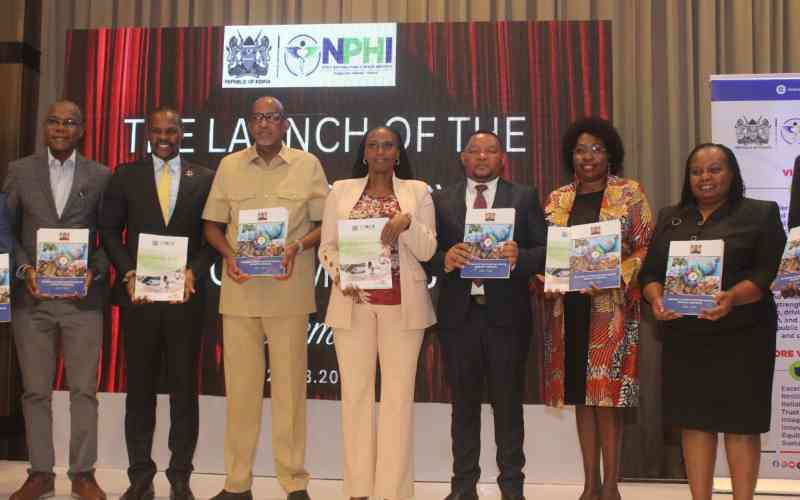
KNPHI was established in 2022 to serve as a central body coordinating public health functions, including disease surveillance, emergency preparedness, laboratory systems and response mechanisms. It also integrates areas such as food safety, zoonotic diseases and community-level intelligence on how populations perceive and respond to illness.
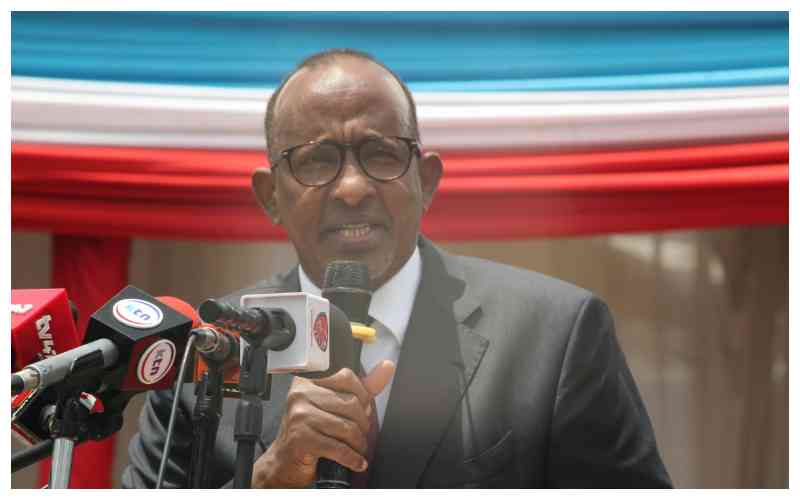
Aden Duale, Cabinet Secretary for Health, said the launch of the policy documents marks a deliberate shift in how the country approaches public health.
“We are not merely launching documents, but reinforcing the foundation upon which we protect lives, safeguard our economy and sustain national development,” he said.
He added that the move signals a transition from reacting to crises to preparing for them, noting that health security is now central to national stability.
The new plans come at a time when health risks are becoming increasingly complex, driven by climate change, globalisation and evolving disease patterns.
Festus Ng’eno, Principal Secretary for Environment and Climate Change said environmental factors are now a major driver of public health threats.
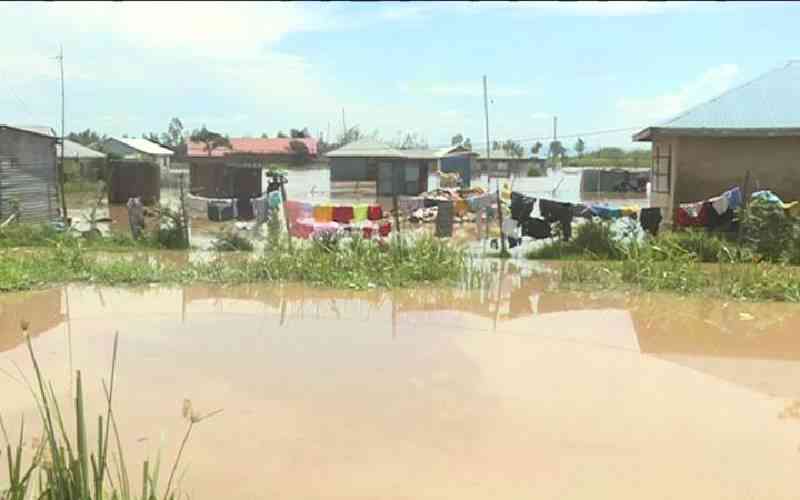
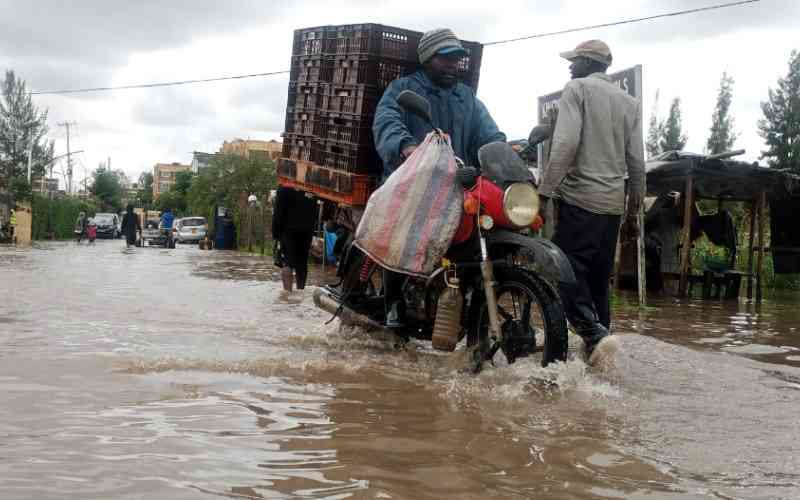
“Climate change is no longer a future threat. It is a present-day health emergency,” he said, pointing to rising temperatures, flooding and droughts that have contributed to outbreaks of diseases such as cholera, malaria and dengue.
He emphasised that public health interventions must go beyond the health sector to include environmental management, waste control and climate resilience.
Mary Muthoni, Principal Secretary for Public Health said the new strategy will strengthen surveillance, laboratory systems and emergency response, while advancing a One Health approach that brings together human, animal and environmental health sectors.
“We cannot achieve universal health coverage if we do not prevent diseases, detect threats early and respond rapidly and effectively,” she said.
Muthoni added that strengthening health security is critical to ensuring affordable, accessible and quality healthcare for all Kenyans.
The reforms are anchored on improving coordination between national and county governments, addressing financing gaps and strengthening data systems for real-time decision-making.
They also introduce clear targets aimed at detecting disease outbreaks within seven days, notifying authorities within one day and mounting a response within a further seven days.
Development partners welcomed the move but warned that implementation will be critical.
Dr Neema Kimambo, representing the World Health Organization (WHO), said while the plans provide a clear roadmap, their success will depend on sustained investment.
“If we do not put commensurate resources, then it becomes just a document on the shelf,” she said.
Duale said investments in preparedness should be viewed not as a cost, but as a long-term investment in national resilience.
Dr Neema added that the strategy aligns Kenya with international health regulations and global health security priorities, while also strengthening digital surveillance systems for faster detection and response.
Partners said the transition signals growing national ownership of health security systems.
The event further featured the signing of a memorandum of understanding between the Ministry of Health and the Africa Centres for Disease Control and Prevention (Africa CDC), aimed at enhancing regional collaboration, data sharing and coordinated response to cross-border health threats.
Dr Howard Nyika, Africa CDC representative, said the development reflects a broader continental push towards African-led health security systems and stronger national public health institutes.
The focus has now shifted to implementation, ensuring that policies translate into tangible improvements in preparedness, response and public trust, as Kenya positions itself as a regional hub for health security.










 join
join