×

The Standard e-Paper
Kenya’s Boldest Voice
 The Standard Group Plc is a
multi-media organization with investments in media platforms spanning newspaper
print operations, television, radio broadcasting, digital and online services. The
Standard Group is recognized as a leading multi-media house in Kenya with a key
influence in matters of national and international interest.
The Standard Group Plc is a
multi-media organization with investments in media platforms spanning newspaper
print operations, television, radio broadcasting, digital and online services. The
Standard Group is recognized as a leading multi-media house in Kenya with a key
influence in matters of national and international interest.

Audio By Vocalize
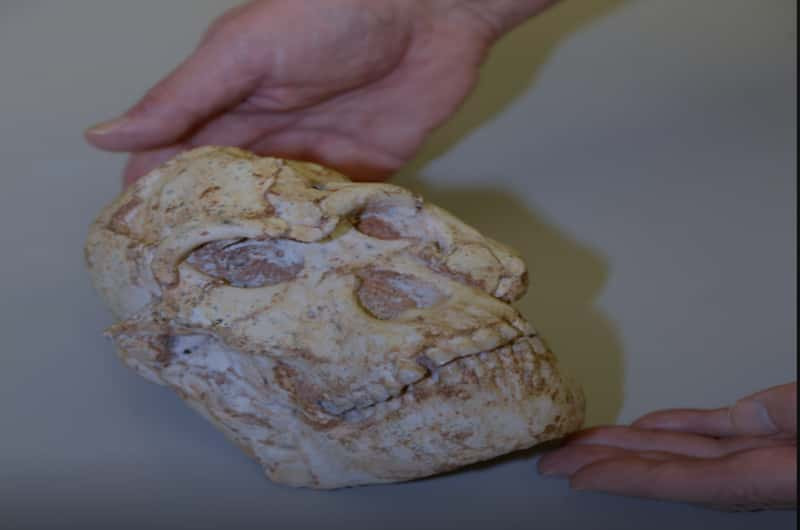
African scientists have been urged to take the lead in research on the continent's rich fossil and archaeological heritage through increased investment in training, mentorship, and the development of strong scientific institutions.
Speaking at the opening of the 10th Biennial Conference of the East African Paleontological and Paleoanthropological community (EAPP), experts called for greater investment in building the capacity of East African researchers, technicians, and students to ensure they are equipped to lead research in their own countries.
“This means investing in capacity development, ensuring that Kenyans, Sudanese, Ethiopians and other East African technicians, students and researchers have the skills and opportunities to lead research in their own regions,” National Museums of Kenya Board chairperson Edwin Abonyo said.
He challenged African researchers to take ownership of the continent’s scientific agenda by building institutions and mentoring future generations.
“You are the future of palaeontology and paleoanthropology in this region. Your voice, your leadership matters profoundly. Do not be content to follow in the footsteps of others. Forge new paths. Build institutions. Mentor the next generation,” he said.
He added that Africa's scientific heritage should increasingly be studied and interpreted by African researchers.
The conference brought together scientists, students, government officials and international researchers for discussions on human origins, heritage conservation and scientific collaboration across the region.
Director General, National Museums of Kenya, Prof Mary Gikungu said that the institution has been working towards building the technical capacity of Kenyan researchers and technicians to conduct research themselves, ensuring long-term sustainability and African scientific independence.
The conference featured archaeological materials and studies from the Turkana Basin, the Baringo Basin, the Olorgesailie Basin, the Lake Victoria Basin, among other sites within East Africa.
“The major reason why we came up with this East African affiliation was to have our own researchers have time to showcase their discoveries and share knowledge as a region. In the past years, such events were only held in other continents, and due to logistics and even time, African researchers barely showcased their work,” Dr Jackson Njau, President of the East African Paleontological and Paleoanthropological community EAAPP.
The affiliation brings together East African countries through which the Rift Valley runs.
“The Rift Valley region is where the majority of these discoveries were made, and that is why we are meeting in Lake Elementaita, one of the greatest archaeological libraries in the Rift region,” Dr Njau said.
The event takes place at a time when Kenya is moving ahead with plans to establish a major science museum and science park in the Turkana Basin as part of a broader strategy to position the country as the global ‘Home of Human Origins’ while using its rich prehistoric heritage to drive tourism, research, and socio-economic development.
Dr Emmanuel Ndiema, a member of the Presidential Task Force on the Kenya Home of Human Origins project, said the proposed facility would capitalise on Kenya's internationally recognised status as a leading centre for paleoscience research.
The initiative is expected to benefit Turkana and Marsabit counties, the country's two largest counties by land area, through increased tourism, investment, and scientific activity.
Stay informed. Subscribe to our newsletter
“The aim is to harness Kenya's position as a research hub for paleosciences and use that heritage to transform the socio-economic development of our country,” the task force member said.
He said the project forms part of the Kenya Home of Human Origins initiative, which seeks to showcase the country's significance in human evolutionary history while creating new opportunities for education, research, and economic growth.
The completion of the museum, he said, will also pave the way for the government's plans to repatriate Kenyan archaeological and cultural collections currently held in institutions abroad.
According to Dr Ndiema, many of these artefacts left the country without following proper procedures and should be returned to Kenya.
“For a very long time, some of our collections have been held outside the country. It's important that these materials come back,” he said, adding that the repatriation efforts extend beyond archaeological specimens to include cultural heritage objects.


Subscribe to our newsletter and stay updated on the latest developments and special offers!







 join
join