
 The Standard Group Plc is a multi-media organization with investments in media
platforms spanning newspaper print
operations, television, radio broadcasting, digital and online services. The
Standard Group is recognized as a
leading multi-media house in Kenya with a key influence in matters of national
and international interest.
The Standard Group Plc is a multi-media organization with investments in media
platforms spanning newspaper print
operations, television, radio broadcasting, digital and online services. The
Standard Group is recognized as a
leading multi-media house in Kenya with a key influence in matters of national
and international interest.

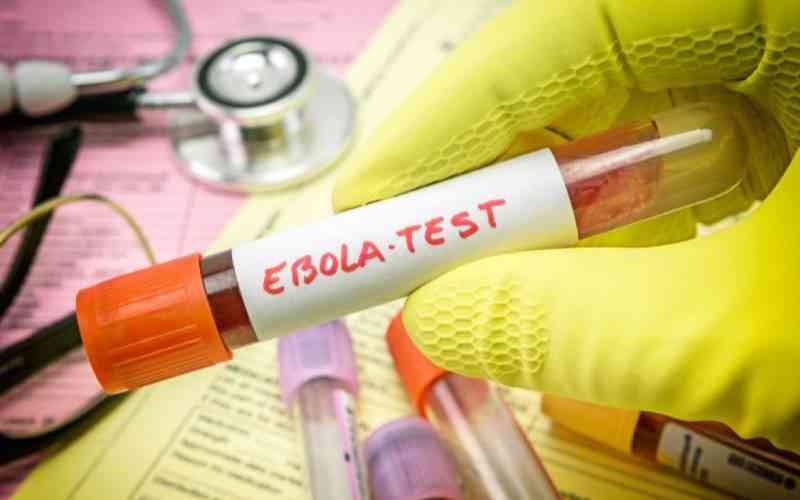
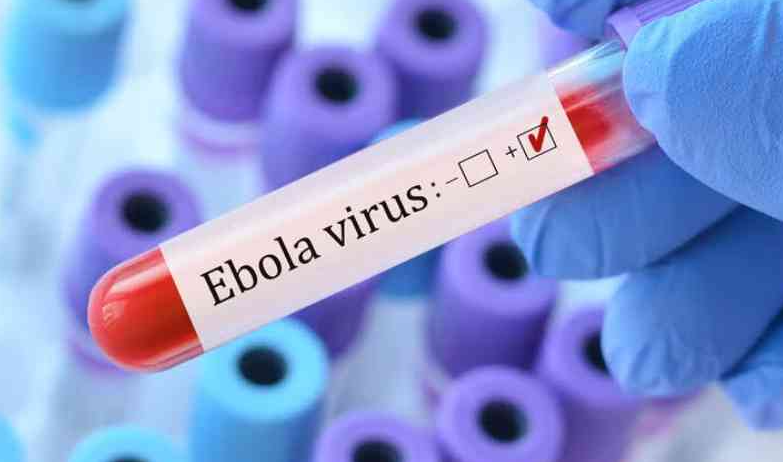
Kenya has been listed among 10 African countries at high risk of an Ebola outbreak as the virus continues to spread across the region.
Other countries identified by the Africa Centres for Disease Control and Prevention (Africa CDC) include Angola, Burundi, the Central African Republic, the Republic of Congo, Ethiopia, Rwanda, South Sudan, Tanzania and Zambia.
Africa CDC Director-General Dr Jean Kaseya said the classification followed a meeting between Africa CDC and health ministers from Uganda, South Sudan and the Democratic Republic of Congo (DRC), held in Kampala, Uganda.
He said the discussions focused on assessing the risks posed by the Bundibugyo strain of Ebola and identifying countries most likely to be affected.
Kaseya said Kenya and other high-risk countries need to strengthen preparedness and establish centralised response mechanisms to prevent the spread of the virus.
He added that Africa CDC expects high-risk countries to improve surveillance systems and enhance early detection capacities. “We do not want to see any countries affected,” said Kaseya.
“We saw that this outbreak started in Ituri and has now spread to Uganda and other regions in DRC, including South and North Kivu. This puts countries neighbouring DRC at risk,” he emphasised.
- WHO declares international emergency as Ebola kills over 80 in DR Congo
- Duale: No Ebola in Kenya as DRC outbreak kills 88, reaches Uganda
- Duale: Three suspected Ebola cases tested negative, surveillance upped
- WHO warns of rising Ebola threat as Kenya tightens response efforts
Keep Reading
He noted that strong trade ties and cross-border movement between DRC and neighbouring countries increase the risk of transmission. “More importantly, if countries do not increase their capacity to detect cases, they are really at risk,” he added.
In Uganda, the Ministry of Health reportedly appealed for support after recording at least five confirmed cases and one death. The World Health Organisation (WHO) has confirmed 82 Ebola deaths, alongside 177 suspected deaths and 750 suspected cases.
The inclusion of Kenya comes as the Ministry of Health intensifies preparedness due to its connectivity through trade and transport routes with Uganda and the DRC.
Kenya has identified 22 high-risk counties, including Busia, Bungoma, Trans Nzoia, Mombasa and Turkana.
Health Cabinet Secretary Aden Duale urged Kenyans to avoid non-essential travel to affected areas.
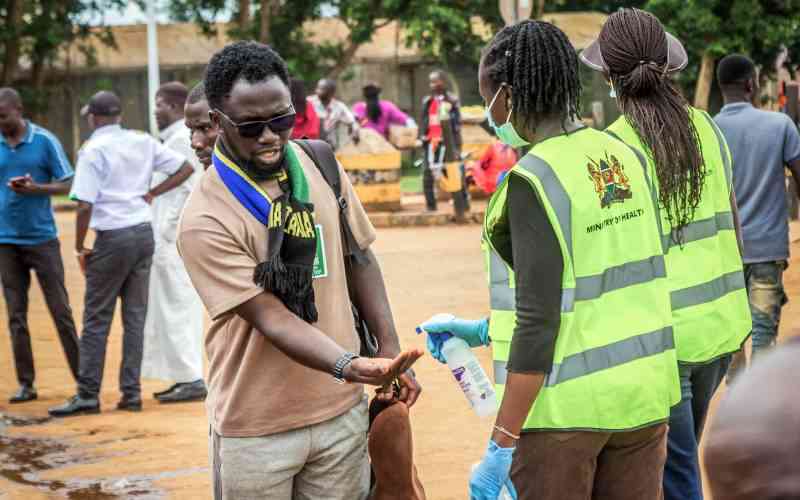
The government has activated emergency operations centres at both national and county levels, while screening has been intensified at all border points. Four national laboratories, including a mobile unit, have been designated for Ebola testing.
More than 880 healthcare workers have been trained in Ebola preparedness and response, and an incident management system has been activated to coordinate national efforts. Duale urged the public to remain calm but vigilant.
Africa CDC also highlighted major funding gaps in the response
The agency requires US$319 million (Sh41 billion) but has so far received only US$30 million (Sh3.8 billion) from African states, with South Africa contributing US$2.5 million (Sh324 million).
Kaseya stressed that African governments must take greater responsibility for outbreak response, saying reliance on external partners alone is insufficient.
He noted that countries such as the United States, Germany and the United Kingdom have also supported response efforts, alongside United Nations and US funding commitments..
He added that mistrust in affected communities remains a major challenge, including resistance to health interventions in parts of the DRC. In one incident, youths reportedly burned a health facility after disputing an Ebola-related death.
Kaseya said misinformation and lack of trust continue to undermine response efforts, even as inequities in access to vaccines and medicines persist.
He said Africa CDC is working to secure vaccines before the end of the year and is engaging communities to improve awareness and trust.
Preventive measures, including handwashing with soap and water and early reporting of symptoms such as fever, vomiting and unexplained bleeding, were strongly encouraged.
WHO declared the Ebola outbreak a public health emergency on May 16, 2026. Kaseya described the situation as one of the most serious recent outbreaks, warning that failure to act decisively could worsen the crisis.







 join
join