×

The Standard e-Paper
Fearless, Trusted News
 The Standard Group Plc is a
multi-media organization with investments in media platforms spanning newspaper
print operations, television, radio broadcasting, digital and online services. The
Standard Group is recognized as a leading multi-media house in Kenya with a key
influence in matters of national and international interest.
The Standard Group Plc is a
multi-media organization with investments in media platforms spanning newspaper
print operations, television, radio broadcasting, digital and online services. The
Standard Group is recognized as a leading multi-media house in Kenya with a key
influence in matters of national and international interest.

Audio By Vocalize

Kenya's Finance Bill 2026 has put the digital payments sector on edge, with the cryptocurrency industry calling on the government to grant tax exemptions on proposed new levies it says could stunt a sector still finding its feet.
The National Treasury is seeking to impose a 16pc VAT on services by payment service providers including M-Pesa and Airtel Money, a 25pc excise duty on mobile phones and a withholding tax on card payments.
Binance, one of world's largest cryptocurrency exchange by trading volume, said it was working with other fintech players to present a unified position to the government.
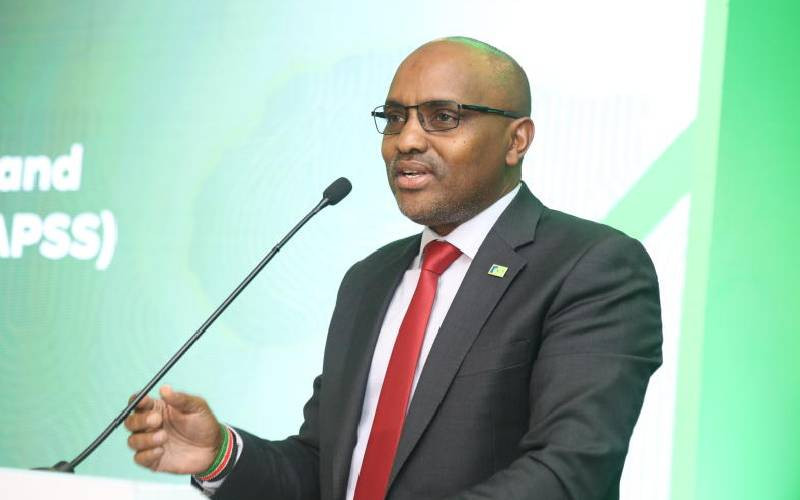
Speaking at a stakeholder event in Nairobi on Monday to mark Africa Day, its Africa operations lead said the industry needed room to grow, not additional burden.
"The industry is still at an infancy stage that requires VAT exemption for it to grow," said Saruni Maina, Regional Operations Lead for Binance Africa, adding the company was engaging the government through continued dialogue.
Kiema Onesmus, KPMG East Africa Associate Director for Tax and Regulatory Services warn the proposals, if passed unchanged, would set back financial inclusion gains by "almost like a thousand steps," cautioning that operators would likely pass additional costs to consumers.
The Finance Bill 2026 also proposes stricter reporting requirements compelling crypto exchanges and wallet providers to share transaction data with the Kenya Revenue Authority (KRA), while draft Virtual Asset Service Provider regulations introduce fresh licensing, capital and compliance requirements.
Maina said blockchain technology held real potential to reduce the cost of money movement, citing the prospect of bringing a Sh10 transfer fee down to as little as Sh1, but warned that depended on a regulatory environment that did not prematurely burden the sector.
On cryptocurrency scams, a persistent consumer protection challenge across Africa, Maina positioned user education as the industry's primary defence, arguing fraudsters exploit knowledge gaps rather than platform weaknesses.
Binance used the forum to promote its Secure Asset Fund for Users (SAFU), a self-described billion-dollar reserve the company says protects customer holdings.
The exchange identified Kenya, South Africa, Nigeria and Ghana as its fastest-growing African markets, and said it expected live regulatory frameworks across seven to eight African countries by the second half of next year.








Subscribe to our newsletter and stay updated on the latest developments and special offers!








 join
join