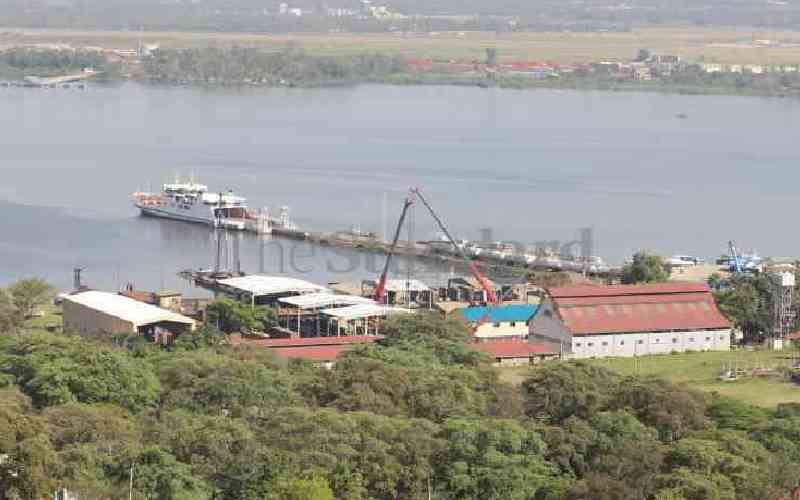
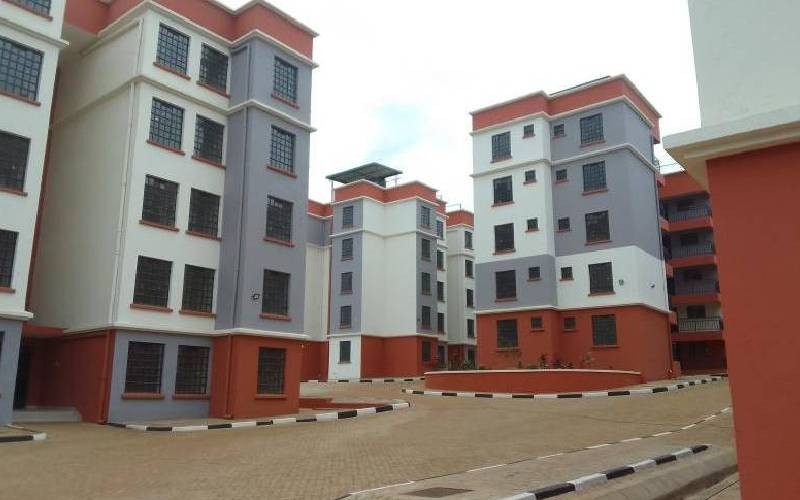
Look at the buildings surrounding you. Some are proud, those who look weary, but most of them possess more potential than the owners are aware of.
Before considering data or algorithms, go back to one of the most significant questions that has ever been posed in the history of human change.
In the book of Exodus 4:2, God tells Moses, What is that in your hand? Moses answers, a rod. Nothing unusual. Nothing powerful. However, that same rod was the one that opened seas, brought water out of rocks, and steered a nation onwards.
The rod never changed. So did the knowledge of Moses.
The same trend is evident in the narrative about the small lunch that served thousands. Abundance was not the start of the miracle. It started with what is common, what is already there, already in possession.
The same goes for real estate. Growth and improved returns are what owners pray for, and blessings do not always fall in the form of new land or glittering towers.
They typically start with what is already in their hands. It could be a neglected floor. Moreover, a too small plot that stares. A rooftop left unused. A house so banal it can never make the rich.
The industry is being transformed by AI, which is multiplying rather than creating new property. It opens opportunities within existing resources. As soon as owners learn to look through this prism, the ordinary is changed. The miracle is already in your hands.
This week’s signal:
A subtle but powerful change is sweeping through the industry. Location is not as important as intelligence.
AI will show occupancy trends, pricing opportunities, energy inefficiencies, and concealed risks well before the market becomes aware of them. Something that you thought you knew now has a different face.
A building can show all its wealth just as the rod of Moses showed its power only when it was used differently.
What it means for business
Realtors and property owners currently operate in a performance-based world. AI is more accurate at forecasting tenant demand than human guesses. It exposes where the neighbourhoods are overheating, which unit plans are converting to higher rents, and which buildings are stealing their money.
Stay informed. Subscribe to our newsletter
This alters the way realtors guide their customers. Finishing and square feet are not the new plot. Investors are interested in the building‘s operational efficiency, income stability, and ease of increasing its value.
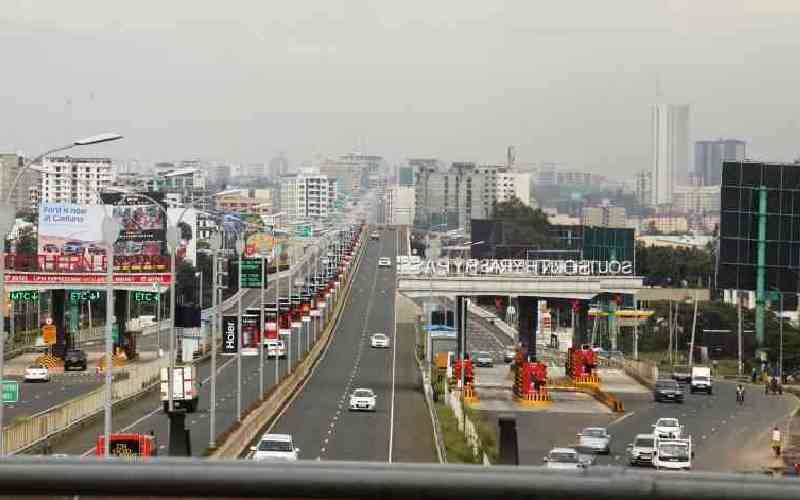
Cities such as Nairobi are a good example. Operators lease whole floors from landlords and divide the space, making the most of it. The landlord has a stable income.
The operator makes a profit by cutting every inch. AI goes the extra mile by proposing optimal layouts, predicting customer movement, and adjusting prices in real time.
In this new environment, brokers do not just make it. They are decipherers of possibilities. They assist their clients in increasing their existing holdings.
What it means for policy
Intelligent structures generate information that reinforces planning, transparency, and urbanisation. These insights have enabled governments to identify areas of deficiency, simplify the permit process, develop zoning rules, and design infrastructure more rationally. Innovative cities are investment-friendly. Cities that drag their feet end up losing developers to more conducive places.
What it means for the people
For ordinary consumers and small-time investors, AI creates an equal playing field. There is no need to have huge capital. You need clarity. AI assists you in finding hidden value, running a property with fewer shocks, and using earnings in areas, most people overlook.
The principle does not change. What is that in your hand? In property, just as it is in Scripture, you should never underestimate what you already possess. As soon as you know about potential, it multiplies.
Afterthought
AI unlocks hidden potential in real estate, transforming existing properties into valuable assets through data-driven insights and optimisation. „Decisions are made on the radar screen, but the future is yours.”
-The writer is a human-centred strategist and leadership columnist