×

The Standard e-Paper
Smart Minds Choose Us
 The Standard Group Plc is a
multi-media organization with investments in media platforms spanning newspaper
print operations, television, radio broadcasting, digital and online services. The
Standard Group is recognized as a leading multi-media house in Kenya with a key
influence in matters of national and international interest.
The Standard Group Plc is a
multi-media organization with investments in media platforms spanning newspaper
print operations, television, radio broadcasting, digital and online services. The
Standard Group is recognized as a leading multi-media house in Kenya with a key
influence in matters of national and international interest.

Audio By Vocalize
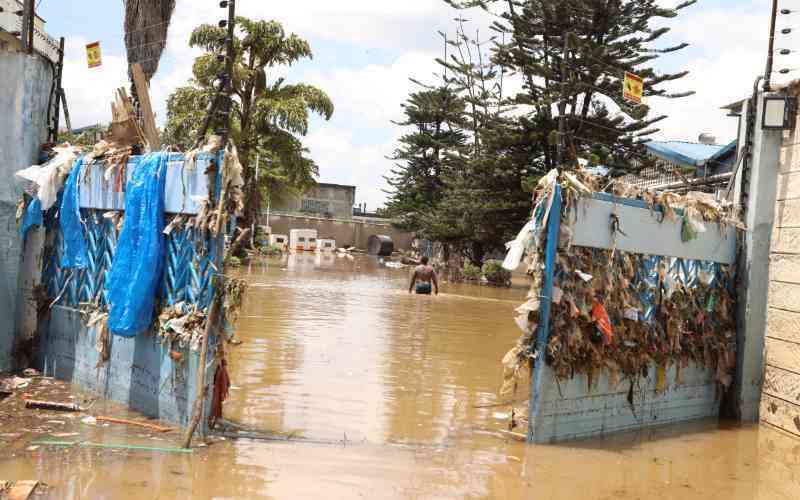
The government has announced measures to prepare for above-normal rains expected during the October to December (OND) season, with early onset forecast in Western, Nyanza and North Eastern regions.
The plan, dubbed a National Contingency Plan, was announced by the Ministry of Interior and National Administration and developed with national and county agencies, humanitarian partners and security agencies.
It sets out seven measures to strengthen early warning systems and boost response capacity before the short rains season begins.
"Hotspot mapping has been undertaken to identify areas particularly vulnerable to flooding and other impacts of heavy rainfall," the ministry said in a statement on Tuesday, September 1.
Priority areas include riverine and low-lying zones, coastal areas, landslide-prone highlands and the arid and semi-arid lands (ASALs).
Roads and transport infrastructure at risk have also been mapped across nine regions, from North Eastern to Central Kenya.
Agencies including the Kenya Urban Roads Authority (KURA) are desilting drainage systems and culverts to reduce urban flooding, while solid waste management efforts continue through the Climate WorX programme.
Officials are raising awareness on evacuation for people living on riparian land, with temporary holding grounds identified for displaced populations.
Water levels around major dams and river banks are under close monitoring.
Inspections of bridges, roads and other critical utilities in flood-prone areas are under way to flag vulnerabilities before the rains intensify.
Chiefs, assistant chiefs and Nyumba Kumi structures are strengthening community-level early warning systems, alongside public sensitisation campaigns on disaster preparedness.
Food, medical supplies and other emergency relief items are being pre-positioned at strategic locations.
The National Government Administration Officers (NGAOs), county governments, the Kenya Red Cross Society, the National Drought Management Authority (NDMA), security agencies and health workers are coordinating the response.
Rapid response teams remain on standby to carry out search and rescue operations, evacuations and post-disaster assessments when required.
"Heavy rainfall rapidly overwhelms our drainage systems, rivers and critical infrastructure, particularly in areas already identified as vulnerable," the ministry cautioned, adding that preparedness does not eliminate risk.
Stay informed. Subscribe to our newsletter
It urged residents in high-risk zones to heed evacuation advisories and report blocked drains, rising water levels and damaged infrastructure to relevant authorities.
The last major El Niño event underscored the scale of that risk. Floods in late 2023 and 2024 killed at least 245 people, affected more than 78,000 households and displaced nearly 46,000 households, touching 42 of Kenya's 47 counties.
The warning aligns with the Kenya Meteorological Department's (KMD) latest outlook, which put the country at an 81 per cent chance of a very strong El Niño this year, with above-average rainfall forecast across roughly 80 per cent of Kenya during the season.
The rains typically supply up to 70 per cent of annual rainfall in parts of the country.







Subscribe to our newsletter and stay updated on the latest developments and special offers!