×

The Standard e-Paper
Home To Bold Columnists
 The Standard Group Plc is a
multi-media organization with investments in media platforms spanning newspaper
print operations, television, radio broadcasting, digital and online services. The
Standard Group is recognized as a leading multi-media house in Kenya with a key
influence in matters of national and international interest.
The Standard Group Plc is a
multi-media organization with investments in media platforms spanning newspaper
print operations, television, radio broadcasting, digital and online services. The
Standard Group is recognized as a leading multi-media house in Kenya with a key
influence in matters of national and international interest.

Audio By Vocalize

I was in my late teens when my mother first introduced me to the hard arithmetic of adulthood. In a moment of youthful indignation, I had insisted that my personal desires should take precedence over the needs of the family. Rather than dismissing my complaint, she responded with a lesson in economics.
She placed her payslip beside a list of the household’s monthly obligations and asked me to examine the figures. If my wishes were to be accommodated, she said, I should identify an existing expense that could be removed to make room for them.
After an hour of pouring over the numbers, I arrived at a sobering conclusion. The family’s essential needs already exceeded the combined earnings of both my parents. My demands, far from being neglected, simply could not compete with more pressing obligations. Chastened by the exercise, I set aside my frustration and began looking for holiday work to supplement the household income.
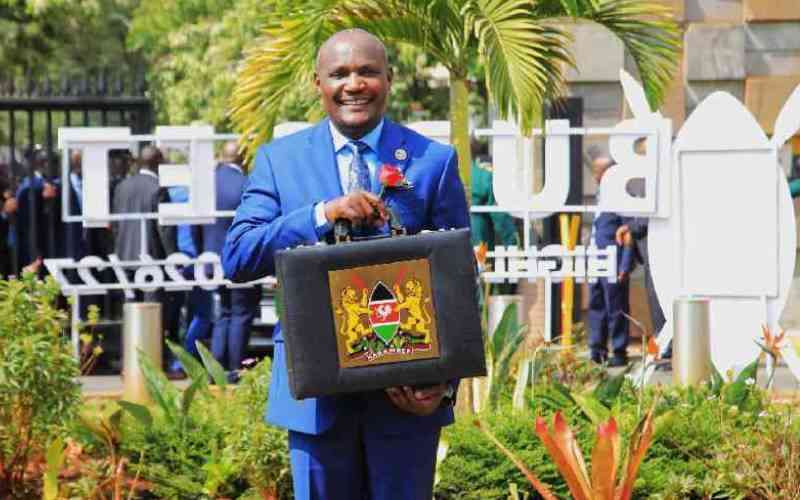
That lesson came to mind last week during a discussion with a group of Gen Zs about the national budget presented to Parliament by Treasury Cabinet Secretary John Mbadi. The exchange was illuminating. Many expressed deep frustration, convinced that the budget was little more than an extractive instrument designed to enrich the political class while offering scant benefit to ordinary citizens, particularly young people.
Our conversation began by demystifying the concept of a national budget. At its simplest, we agreed, it is a statement of the government’s expected revenues, from taxes, fees and other sources, and a plan for how these resources will be allocated during the coming fiscal year. From there, we turned to the substance of the spending proposals themselves, examining the competing demands placed upon the public purse and the choices that inevitably accompany limited resources.
Of the government’s Sh4.82 trillion budget, roughly Sh1.5 trillion is earmarked for the Consolidated Fund. This finances Consolidated Fund Services (CFS), a category of expenditure mandated by the Constitution. CFS obligations include servicing public debt (both interest payments and principal repayments on domestic and external borrowing), as well as pensions and gratuities, remuneration for constitutional office holders and Kenya’s subscriptions to international obligations.
A second category of constitutionally protected expenditure comprises transfers to county governments. These allocations are set at Sh428 billion for the coming fiscal year, rising to about Sh500 billion once additional statutory provisions are included.
The third major claim on public resources is the government’s wage bill. Salaries for public servants and employees of national institutions are expected to absorb approximately Sh1 trillion. A further Sh1 trillion is allocated to core public services including education, health, security and routine functions of government. Once these obligations have been met, only a relatively modest share of the budget remains available to finance the country’s development agenda.
Unfortunately, time expired before a substantive discussion could be held on the revenue-raising measures and the expenditure controls proposed by the Treasury CS. Even so, the Gen Z participants broadly concurred that the budget was unusually tight and fiscally disciplined. In their view, little scope existed to reallocate funds to other priorities without undermining the budget’s coherence and risking adverse consequences for economic stability and growth.
Mr Khafafa is a public policy analyst







Subscribe to our newsletter and stay updated on the latest developments and special offers!








 join
join