×

The Standard e-Paper
Home To Bold Columnists
 The Standard Group Plc is a
multi-media organization with investments in media platforms spanning newspaper
print operations, television, radio broadcasting, digital and online services. The
Standard Group is recognized as a leading multi-media house in Kenya with a key
influence in matters of national and international interest.
The Standard Group Plc is a
multi-media organization with investments in media platforms spanning newspaper
print operations, television, radio broadcasting, digital and online services. The
Standard Group is recognized as a leading multi-media house in Kenya with a key
influence in matters of national and international interest.

Audio By Vocalize
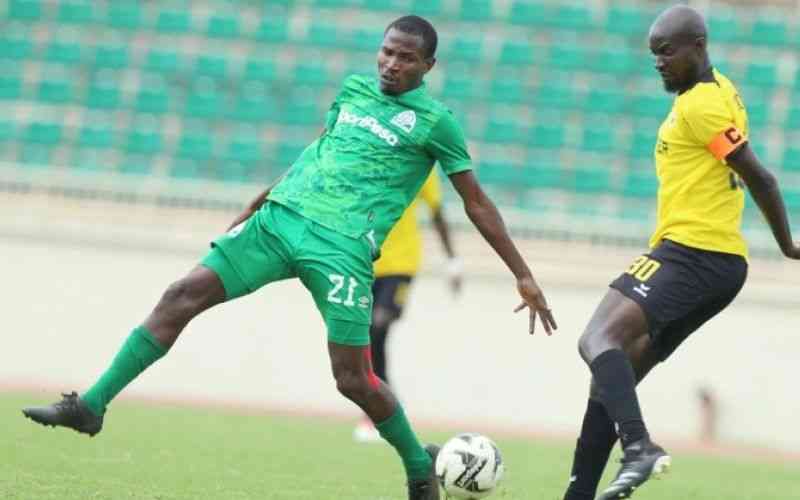
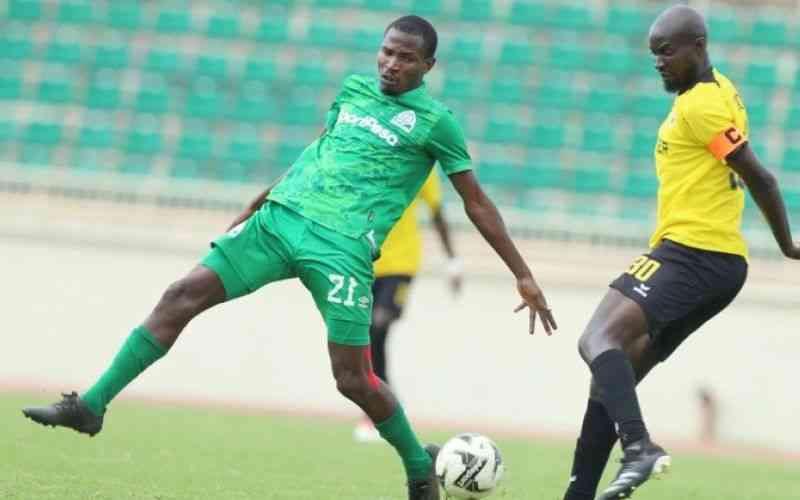
Gor Mahia FC has lost a bid to stop payment of Sh2.8 million awarded to its player Sydney Wahongo as salary arrears.
The Sports Dispute Tribunal entered its judgment on March 31, 2026, allowing the claim awarding the sh2.8 million with costs.
Aggrieved, Gor Mahia FC filed a petition before Justice Jacob Gakeri seeking to strike out the tribunal’s decision for allegedly contradicting the Constitution.
According to Sydney Wahongo, he was employed by Gor Mahia on a contract as a footballer earning a gross salary of Sh80,000 exclusive of allowances.
However, Wahongo alleged that he was not paid his full salary and was therefore claiming the Sh2,8 million consisting of Sh1 million for unpaid salary and Sh1.8 million being salary for the unexpired term of his employment contract.
Justice Gakeri said that the Sports Disputes Tribunal is a judicial body clothed with jurisdiction to hear and determine disputes in the realm of sports and the court is not persuaded that the decisions of the tribunal are challengeable by way of a Petition.
“The Upshot of the foregoing is that the Petition is not properly before this Court and is hereby, with no orders struck out as to costs,” said Justice Gakeri.
In their petition before Justice Gakeri, Gor Mahia FC said that the Sports Tribunal does not have jurisdiction over employment disputes under the Sports Act.
The football club said that parties to a dispute cannot grant a tribunal jurisdiction as set out at section 58(b) of the Sports Act where the Constitution and the law have granted jurisdiction to another forum.
They pleaded for orders quashing the Tribunal’s decision and had the matter placed before the Employment and Labour Relations Court.
Wahongo, however, said that the club neither objected to the proposed forum indicated in the demand letter nor asserted that the Sports Disputes Tribunal lacked jurisdiction to determine the dispute.
He said that Gor Mahia voluntarily submitted itself to the Tribunal's jurisdiction by filing a Memorandum of Response and Counterclaim.
“Petitioner (Gor Mahia FC) subsequently filed an amended response and Counterclaim through which it sought substantive reliefs against me before the same Tribunal whose jurisdiction it now disputes,” said Wahongo.
He termed the Petition as an afterthought intended solely to avoid compliance with the Tribunal's Judgment.
Wahongo said that disputes arising from professional player contracts possess unique characteristics governed not only by the Employment Act but also by specialised sporting regulations including the FIFA Regulations on the Status and Transfer of Players (RSTP), which regulate contractual stability, just cause, sporting sanctions and compensation principles unique to professional football.
Stay informed. Subscribe to our newsletter
According to expert opinion by George Mutuli, an Advocate of the High Court of Kenya, serving as Legal Advisor to the Football Federation for Africa (FFA), professional sports employment contracts possess unique structural, regulatory, and institutional characteristics that fundamentally distinguish them from ordinary contracts of employment.
Mutuli said professional football employment contracts are governed simultaneously by domestic employment law, international sports regulatory instruments, and the rules and regulations governing the sport.
“The resolution of disputes arising from professional football employment contracts frequently requires the interpretation and application of domestic legislation together with FIFA regulations, FIFA circulars, and established international sports jurisprudence,” said Mutuli.
Subscribe to our newsletter and stay updated on the latest developments and special offers!









 join
join