×

The Standard e-Paper
Stay Informed, Even Offline
 The Standard Group Plc is a
multi-media organization with investments in media platforms spanning newspaper
print operations, television, radio broadcasting, digital and online services. The
Standard Group is recognized as a leading multi-media house in Kenya with a key
influence in matters of national and international interest.

Audio By Vocalize
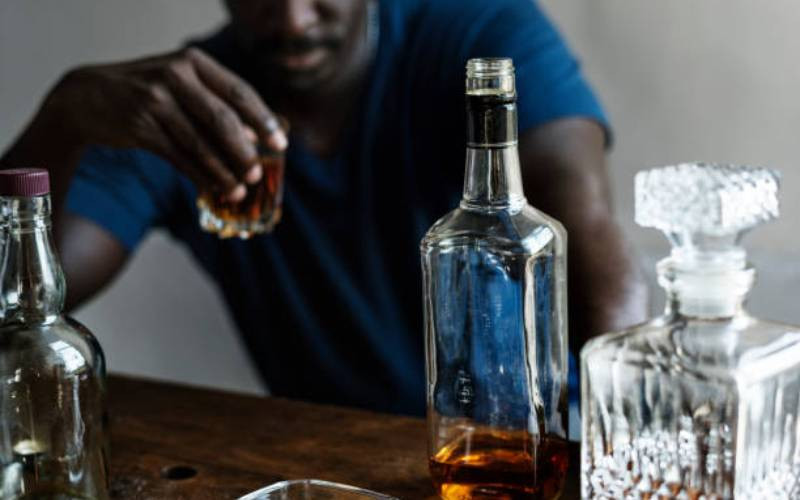
The Alcoholic Drinks and Drugs Control Laws (Amendment) Bill, 2026, sponsored by National Assembly Majority Leader Kimani Ichung’wah, is well-intentioned as it seeks to save young people and the country at large from a debilitating problem.
The Bill proposes to raise the legal drinking age from 18 to 21 years; introduce a Sh2-per-litre levy on alcoholic drinks; ban alcohol sales in supermarkets and related outlets; ban online home deliveries and hawking of liquor; stop alcohol sales in restaurants, residential areas, parks, schools and petrol stations; and ban the sale and use of shisha and nicotine pouches and online liquor advertising, among other measures.
These are all noble proposals and the Bill should be enacted. But as we have seen over the years, the new measures are unlikely to make much of a dent in the nightmare at hand for two reasons.
First, the Bill, by and large, addresses the formal liquor sector: licensed bars, shops, and distributors that operate openly, pay taxes, and can be inspected. However, the greater danger lies elsewhere. Illicit brews are produced in secluded places to avoid detection by security personnel. They are largely responsible for the deaths and health complications that are reported in villages and towns across the country. Those who brew them care about profit and nothing else. Age limits mean nothing to them.
Second, the alcoholism problem has worsened due to an absence of laws. Kenya already has enough laws guiding the manufacture and sale of alcohol. The problem is weak enforcement. Rogue local administrators and police officers know exactly who is breaking the laws on alcohol. But they choose not to act, as this is their cash cow.
A higher drinking age may be justified, but it will achieve little if the sellers who cause the greatest harm continue to operate without consequence, as the police are induced to look the other way. Stricter laws will only fatten the bribes.








Subscribe to our newsletter and stay updated on the latest developments and special offers!