×

The Standard e-Paper
Smart Minds Choose Us
 The Standard Group Plc is a
multi-media organization with investments in media platforms spanning newspaper
print operations, television, radio broadcasting, digital and online services. The
Standard Group is recognized as a leading multi-media house in Kenya with a key
influence in matters of national and international interest.

Audio By Vocalize
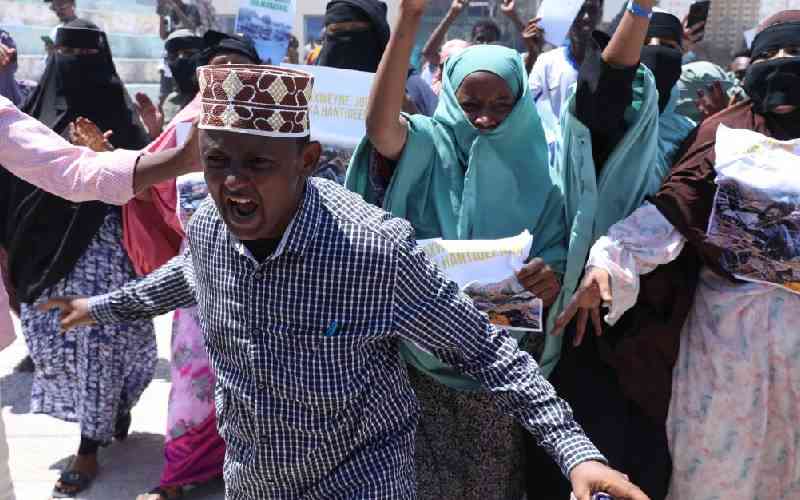
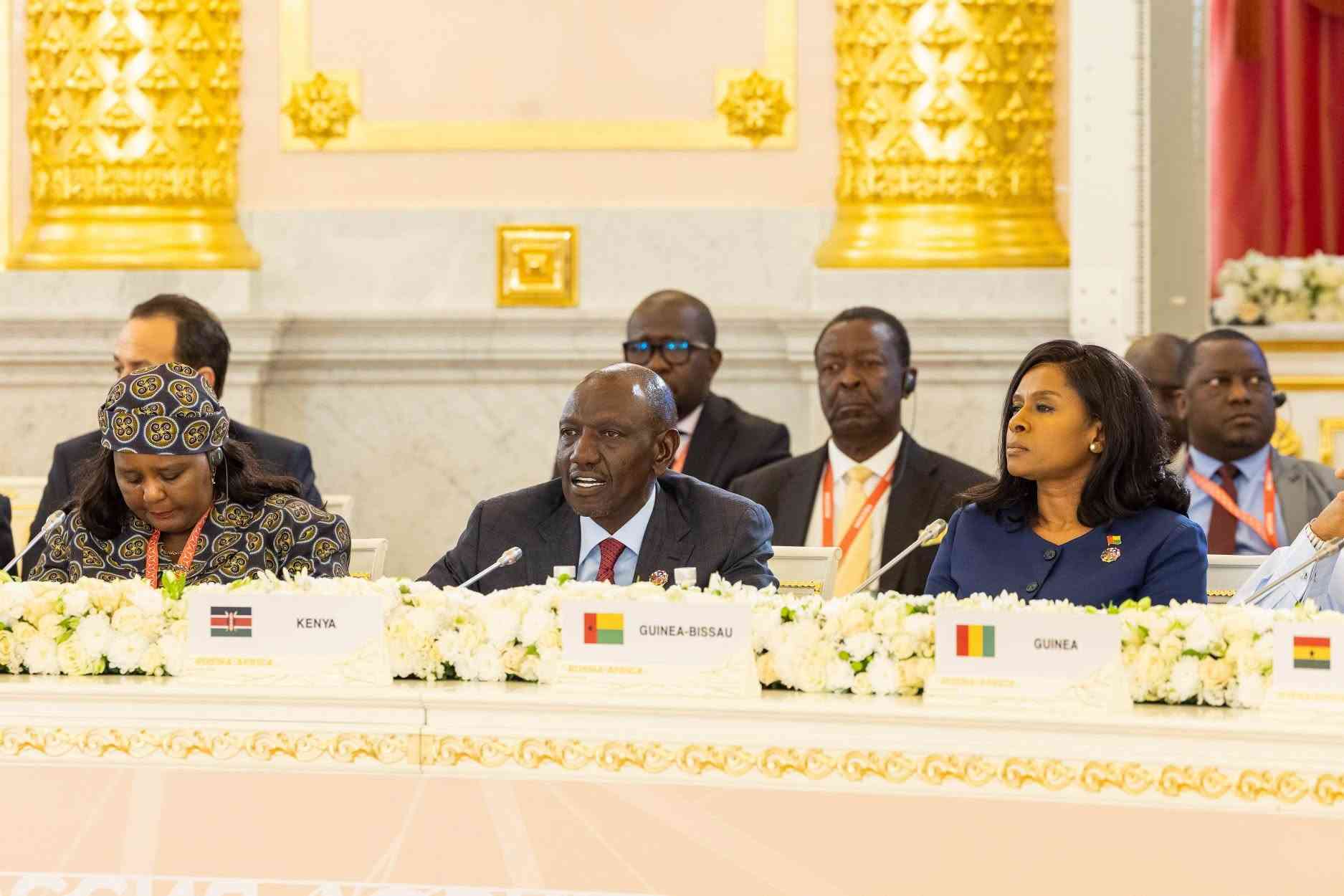
Somali President Hassan Sheikh Mohamud has called for another round of talks with the opposition as he defended his push for universal suffrage in next year’s elections.
The talks with opposition parties and leaders will take place in Mogadishu from November 14-18 with the aim of resolving the growing schism over Somalia’s electoral process.
Last week Mohamud declared the country would go to the polls next year with parliamentary elections scheduled to be held on April 15, 2027 while the presidential vote would follow a month later on May 15.
The move elicited protests from opposition groups in Somalia arguing that the president was acting unilaterally and needed to be consultative to carry the nation along.
If the opposition and the ‘rebellious’ regional states pick up the invitation for talks next month, it will be the umpteenth time that they will be meeting to agree on when to hold elections and the system to adopt.
The Somali leader is a strong advocate of the one-person, one-vote while his opponents favour the clan-based indirect election. The president has not been shy to robustly talk about the gains that will accrue from reverting to universal suffrage which the of indirect elections.
Mohamud while acknowledging his nation’s political process had not reached its intended destination, he is on record saying direct voting would return Somalia to a democratic system after decades
Since 2000 Somalia has largely relied on indirect elections in which clan delegates select lawmakers, who in turn elect the president. Mohamud wants this this changed next year by adopting universal suffrage.
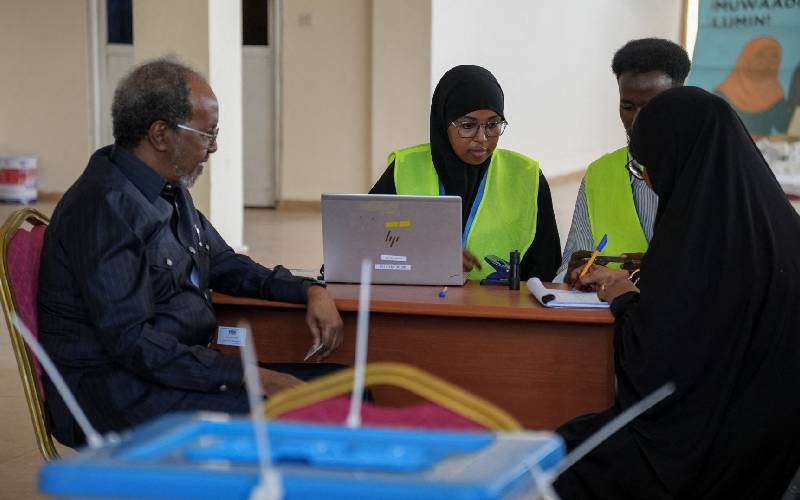
Against all odds the president had pushed for direct elections in several regional states and cities including South West, Galmudug and Hirshabelle states and in Mogadishu, covering 50 of the 92 districts that existed in 1990.
The fact that nobody was killed or fighting occurred during these elections, the president feels vindicated to recommend it for the country in the next parliamentary and presidential elections.
Opposition groups under the Somali Future Council together with Puntland and Jubaland regional states swiftly rejected the timetable, arguing that it was announced without an inclusive political agreement.
Mohamud embraced the dialogue call and urged his rivals to settle political disagreements through consensus and compromise instead of being confrontational.
Thus, the president invited SFC, the National Unity Forum and a civil society coalition to a national consultative forum in Mogadishu from Nov. 14 to 18. The talks are expected to focus on reaching common ground over federal election arrangements.
All eyes are now on Villa Somalia on whether the latest move will lead to an electoral agreement that will move Somalia forward given the previous government-opposition talks have failed to yield any results in regard to an electoral model, management of the vote and the role of federal member states.
Equally anxious is the international community and Somalia’s bilateral partners who must find out if their pressure on both Mohamud and the opposition will count for something this time round.
Stay informed. Subscribe to our newsletter
Meanwhile, by the time you read this article, the United Nations will have formally ended its political mission in Somalia or loading their last files on the plane taking them out of Mogadishu on Saturday, October 31, 2026.
It will bring closure to more than 13 years of UN political mission in the war-torn country that is on the recovery path.
In a statement by his spokesman, the UN Secretary-General António Guterres praised Somalia’s state-building progress but warned that significant political, security and humanitarian challenges remain.
In a statement issued Monday through his spokesperson, Guterres confirmed that the United Nations Transitional Assistance Mission in Somalia (UNTMIS) would cease operations after completing a two-year transition process agreed with the Federal Government of Somalia.
The decision marks the end of the UN’s continuous special political mission presence established in 2013 with the creation of the United Nations Assistance Mission in Somalia (UNSOM), which was succeeded by UNTMIS in November 2024.
The closure follows UN Security Council resolutions 2753 (2024) and 2809 (2025), which provided for the gradual transfer of the mission’s responsibilities to Somali institutions and UN agencies, funds and programmes.
Established in June 2013, UNSOM was tasked with providing political advice and strategic support to Somalia’s peacebuilding and state-building priorities. Its successor, UNTMIS, was established in November 2024 with a transitional mandate designed to progressively transfer responsibilities to Somali authorities and the wider UN country team.
The statement also placed the mission’s closure within the broader history of more than three decades of UN involvement in Somalia, dating back to international peacekeeping and humanitarian interventions during the civil war in the early 1990s.
Guterres described the transition as a milestone in Somalia’s journey towards greater national ownership of its peacebuilding, governance and state-building processes.
He commended the determination and resilience of the Somali people, acknowledging the progress made in rebuilding institutions and restoring stability following decades of conflict.
Despite the transition, Guterres stressed that the United Nations would maintain its engagement in Somalia through its resident agencies and programmes, working alongside Somali authorities, the African Union and international partners.
He called for continued international assistance to strengthen national institutions, promote human rights, advance inclusive political dialogue and reconciliation, and consolidate the country’s peacebuilding gains.
The Secretary-General also highlighted the persistent threat posed by Al-Shabaab, underscoring the importance of sustained international security assistance to support Somalia’s gradual transition towards assuming full responsibility for its national security.
Over the past 13 years, the UN political mission has played a central role in supporting Somalia’s federal state-building process, constitutional development, electoral arrangements, political reconciliation and coordination between the federal government, federal member states and international partners.
The mission’s closure therefore represents a significant institutional shift in the relationship between Somalia and the United Nations, with responsibility for key political and governance functions increasingly resting with national institutions.
Guterres expressed gratitude to successive UN special representatives, national and international personnel and others who served in Somalia under difficult security conditions.
He also paid tribute to United Nations personnel who lost their lives while serving in the country.
The Secretary-General reaffirmed the organisation’s commitment to supporting Somali-led efforts to build lasting peace, stability and prosperity, making clear that the withdrawal of the political mission would not mean the end of UN engagement in Somalia.
This Sunday’s formal closure will conclude a chapter of international political assistance that has accompanied Somalia’s transition from a prolonged period of state collapse towards the rebuilding of federal institutions.




Subscribe to our newsletter and stay updated on the latest developments and special offers!